
Storm & Hurricane Damage Repair South Florida
Hurricane season runs June 1 to November 30 and South Florida sits in the bullseye. We respond to wind, water, and storm-surge damage as soon as it's safe — emergency tarping to prevent the next rainband from finishing what the first one started, board-up to secure the property, water extraction before mold takes hold, and full structural rebuild after. We work all of South Florida and we keep our equipment and crews staged through storm season so we don't run out when you need us most.
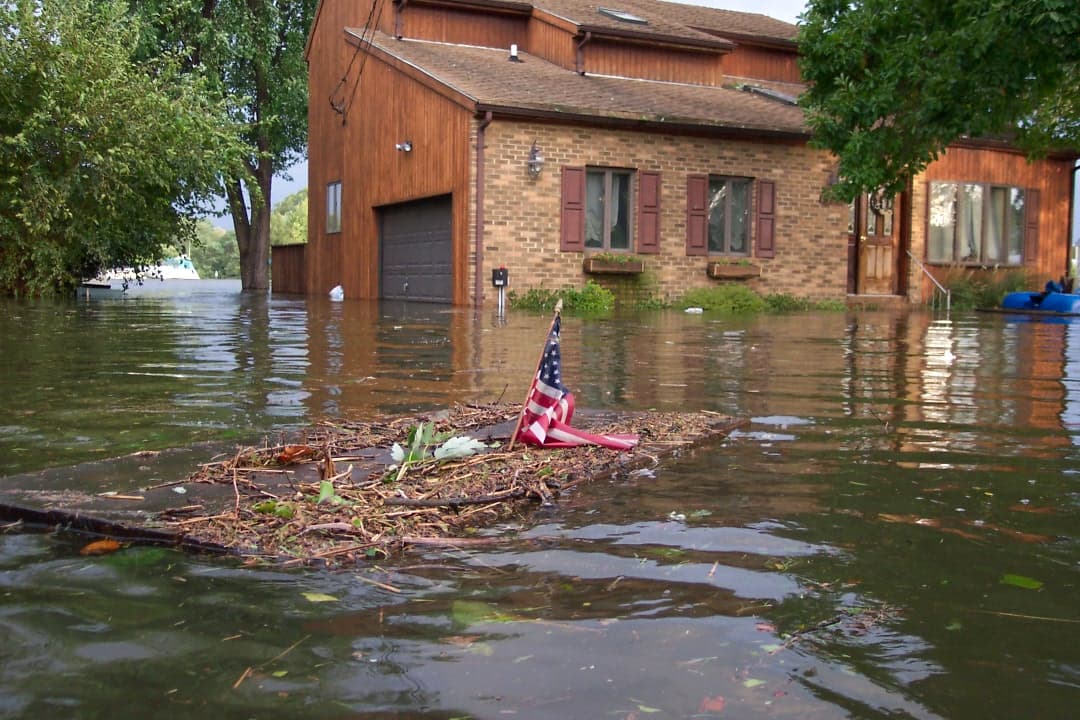
Common Storm Damage in South Florida
- ›Named-storm wind damage to roofs, soffits, fascia, and windows
- ›Storm surge flooding in coastal zones (Miami Beach, Hollywood, Hallandale Beach, Fort Lauderdale beachfront)
- ›Wind-driven rain entering through damaged roofs, soffit, or window seals
- ›Tornadoes and microbursts inside larger storm systems
- ›Hail damage to roofs, windows, and exterior cladding
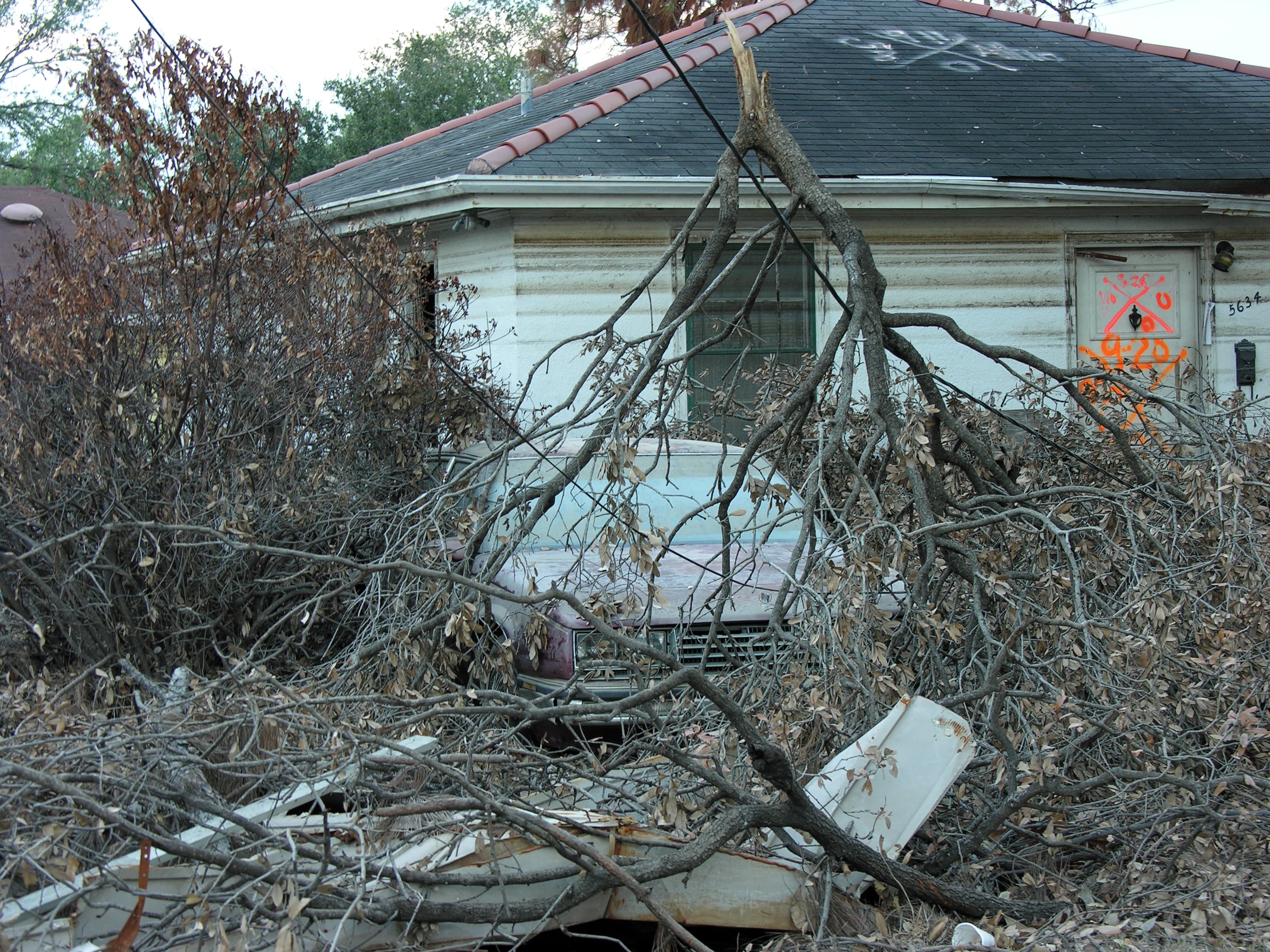
- ›Tree falls and downed limbs causing structural breach
- ›Power surge damage to electrical systems and HVAC equipment
Our Storm Response Process
- ›Initial safety assessment and structural triage on arrival
- ›Emergency tarping of breached roof areas to seal against the next rainband
- ›Board-up of broken windows and compromised entry points
- ›Water extraction and immediate drying setup
- ›Debris removal and exterior cleanup
- ›Insurance documentation — wind-vs-flood causation evidence is critical in Florida
- ›Permitted repairs and full structural rebuild, including roof, windows, and interior finishes
Why South Florida Storm Damage Is Different
Hurricane season in South Florida isn't a single event — it's six months of standing ready. We pre-stage tarping material, generators, water-extraction trucks, and crews ahead of every named storm. Once a storm passes, the first 72 hours are everything. A roof breach that doesn't get tarped before the next rainband can turn a $20,000 wind claim into a $200,000 mold-and-rebuild claim. Our crews work in shifts immediately after a storm clears so we hit as many properties as fast as we can.
Wind-vs-flood is the insurance distinction that dominates Florida storm claims. A standard homeowners or condo policy generally covers wind damage and wind-driven rain. Storm surge — water that rises and enters from outside — is typically a flood policy coverage (NFIP or private). When both happen in the same storm, which is normal in South Florida, the carrier wants very specific evidence of which damage came from which source. We photograph and document in a way that gives the adjuster the causation story they need.
Permitting and code matter too. Post-Hurricane Andrew, post-Surfside, post-Irma — South Florida building codes have tightened considerably, and the rebuild scope after a storm often involves bringing parts of the structure up to current code rather than back to as-was. We know the Broward and Miami-Dade permitting offices, we know which inspectors are picky about which details, and we plan the timeline accordingly so your rebuild doesn't stall waiting on a paperwork issue we should have caught up front.


Frequently Asked Questions
When should I tarp my roof after a hurricane?
As fast as you can safely access it. Wind events in Florida are usually followed by additional rain, and an unbarriered roof breach lets the rain finish the damage the wind started. Don't climb on a roof yourself in wind — but get a professional crew engaged within the first 24–48 hours after the storm clears. We carry industrial-grade reinforced tarping that holds up through subsequent rain bands, not just the consumer blue-tarp version.
Is wind damage covered separately from flood?
Yes — and the distinction matters. Most South Florida homeowners and condo policies cover wind damage and wind-driven rain. Standard policies do NOT cover rising water from storm surge or flooding; that requires a separate flood policy (NFIP or private). When a storm causes both, your claim has to be carefully split between the two policies, and the documentation we provide makes or breaks how the carriers settle it.
How fast can you respond during peak hurricane season?
Faster than you'd expect, but slower than our normal response time. In a major impact event, restoration capacity across the region is overwhelmed — every crew is booked and every truck is out. We pre-position equipment and crews ahead of named storms, and our existing customers and contracted commercial accounts get triage priority. Even at peak, we typically reach new emergency calls within 24 hours of dispatch — far faster than the 'someone will call you in two weeks' scenario you might have heard about.
Can you handle insurance coordination during a major storm event?
Yes, and in storm events that's where most of the value lives. Adjusters are overwhelmed in the days after a major storm; documentation that lands on their desk well-organized and clearly causation-tagged moves to the front of the queue. We provide photo logs, moisture readings, debris inventories, and wind-vs-flood causation evidence in the format carriers like Citizens, Heritage, Universal, and Tower Hill expect. We can also work directly with public adjusters when the homeowner has retained one.
Serving South Florida from Boca Raton through Fort Lauderdale to Miami and Homestead — including Boca Raton, Deerfield Beach, Pompano Beach, Fort Lauderdale, Hollywood, Hallandale Beach, and surrounding communities.
See full Service Areas →Need Help Now?
24/7 emergency response across South Florida.
Call (754) 777-8956Request Help