
Mold Remediation & Testing in New York
Mold in a New York building is rarely just a surface problem. By the time you can see it, it's usually been growing for weeks behind drywall, under flooring, or inside ventilation systems. New York's combination of dense urban housing, pre-war building stock, basement living spaces, and seasonal humidity swings creates ideal mold conditions year-round. Mitigation Restoration Services tests, identifies, contains, and remediates mold across all five boroughs following EPA and IICRC protocols, plus full compliance with New York State Code Rule 56 for projects requiring licensed remediation.
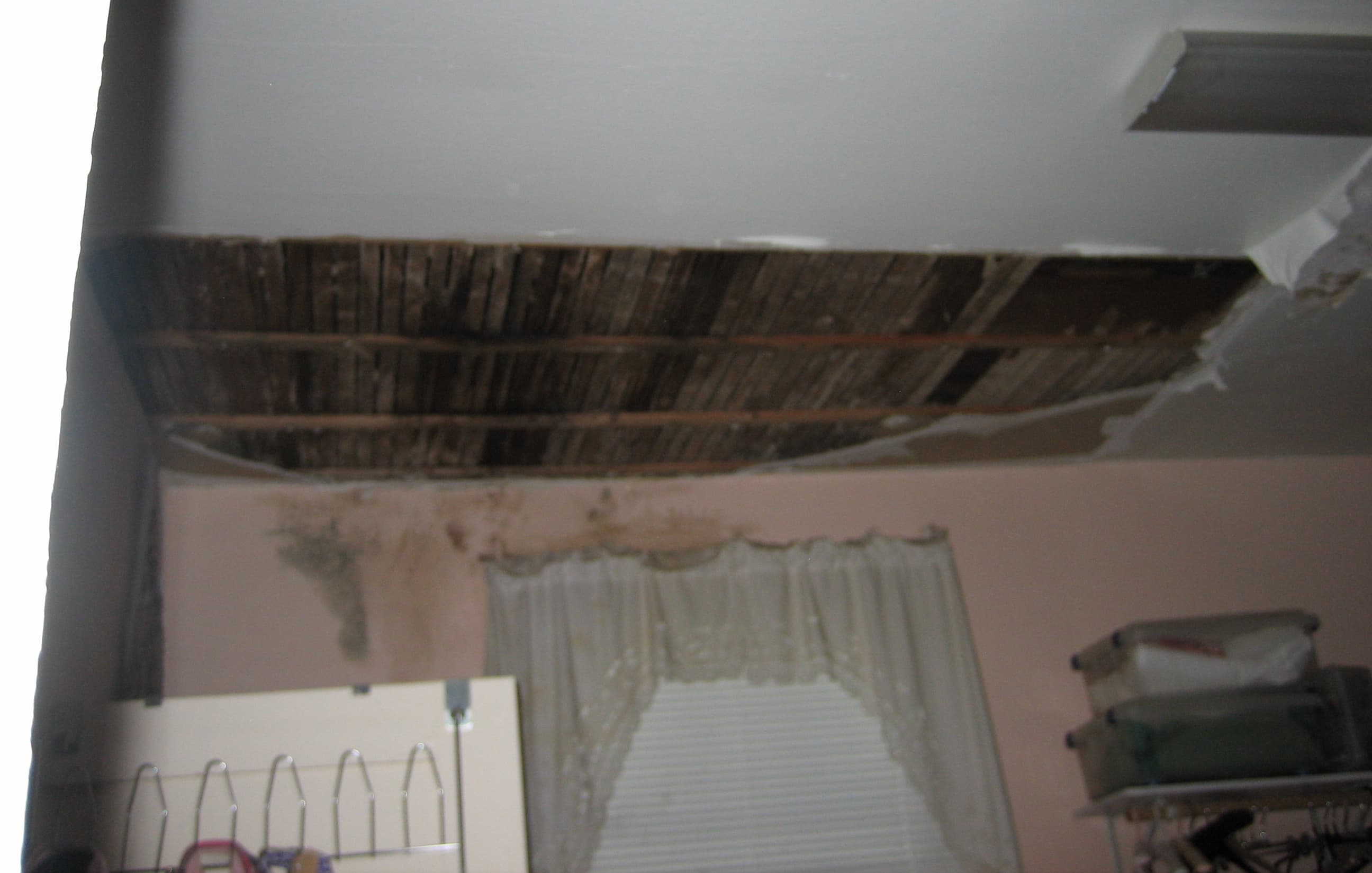
What Drives NYC Mold
- ›Basement and cellar moisture, especially in Queens and Staten Island flood-zone homes
- ›Bathroom mold in compact apartment bathrooms with limited ventilation
- ›Radiator-line condensation during winter heating season
- ›AC sleeve and through-wall AC unit mold during summer humidity
- ›Hidden mold behind walls after water damage that wasn't fully dried
- ›Roof leaks and ice dam damage that wets ceiling cavities
- ›Crawl space moisture in older Brooklyn and Queens row houses
- ›HVAC system mold from clogged condensate lines
Our Mold Remediation Process
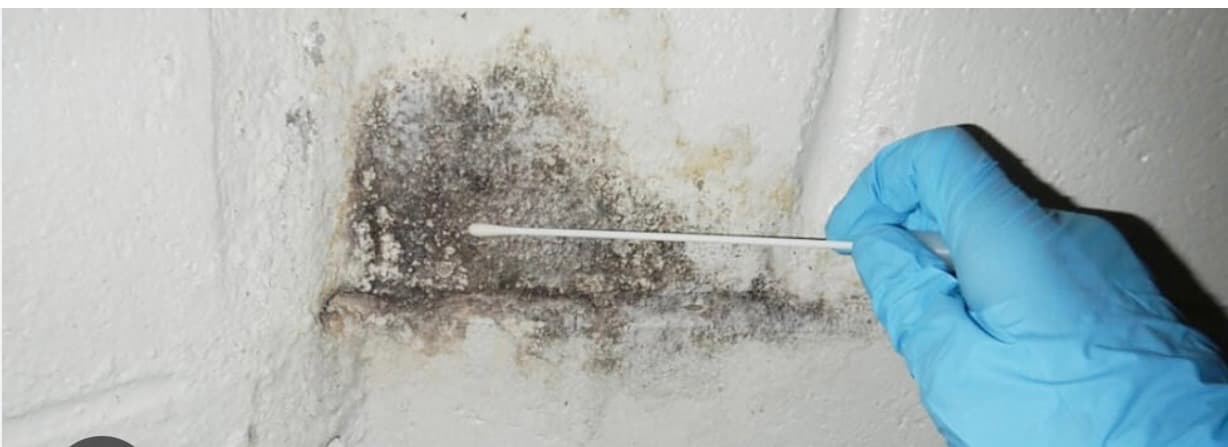
- ›Mold inspection and air quality testing using third-party labs
- ›Containment with plastic barriers and negative air pressure
- ›HEPA filtration during all work to prevent spore spread
- ›Mold removal following NYS Code Rule 56 protocols where applicable
- ›Antimicrobial treatment of remaining surfaces
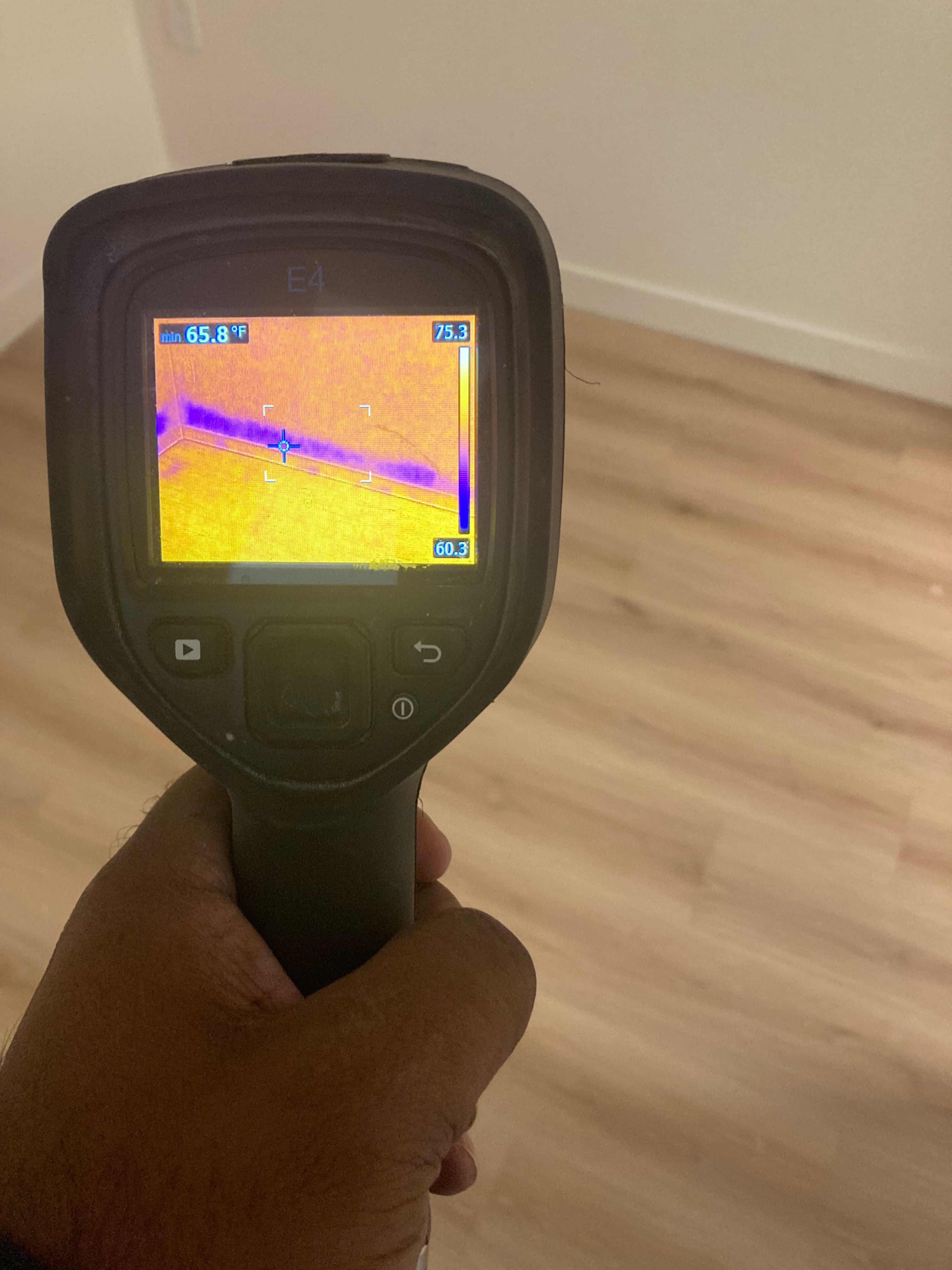
- ›Moisture source correction (this is where most mold jobs fail when it's skipped)
- ›Post-remediation clearance testing before declaring the area safe
Why New York Mold Is Different
New York State has the strictest mold remediation regulations in the country. NYS Code Rule 56, enforced by the New York State Department of Labor, requires licensed mold assessors and licensed mold remediation contractors for any commercial project or any residential project over 10 square feet of contiguous mold. We hold the required NY licenses and work to Code Rule 56 standards on every job, including the smaller residential projects where it's not strictly required, because the protocols protect the homeowner's health and the integrity of the job. Many "mold remediation" companies in NYC operate outside Code Rule 56 standards — we don't, and we document compliance for your records.
NYC mold is heavily concentrated in basement spaces. Cellar and basement apartments, basement laundry rooms, and below-grade storage areas are mold breeding grounds because of perimeter moisture, lack of natural ventilation, and the tendency for these spaces to be heated below 65°F. Brownstones, brick row houses, and pre-war buildings with original below-grade construction are especially vulnerable — perimeter waterproofing from 100 years ago is rarely effective today. We test before remediation to identify whether mold is surface-level or has penetrated wall cavities, framing, and concrete substrates, because the remediation approach is completely different for each.
Tenant and HOA disputes around mold are common in NYC. Landlords and management companies sometimes paint over mold, install ceiling tiles to hide it, or claim the moisture issue has been resolved when it hasn't. Tenants who suspect mold often need third-party testing for HPD complaints or legal action. We provide independent mold assessment and clear documentation of moisture sources, mold species (where lab testing identifies it), and remediation scope. Whether you're a property owner trying to resolve a tenant complaint correctly, a tenant trying to document an unhealthy environment, or a co-op board navigating a unit-to-unit dispute, accurate documentation is what resolves the issue.

Frequently Asked Questions
Do I need mold testing before remediation?
For projects under 10 sq ft, testing is recommended but not legally required. For projects over 10 sq ft, NYS Code Rule 56 requires a licensed mold assessor to write a remediation plan before work begins. We provide both assessment and remediation but use separate licensed personnel as Code Rule 56 requires.
Is black mold always dangerous?
"Black mold" is a colloquial term — multiple mold species appear black or dark. Stachybotrys chartarum is the species most commonly referenced, and yes, it can cause respiratory issues and other health problems with prolonged exposure. We treat every mold finding seriously and remediate to clearance standards regardless of species.
Will my landlord, HOA, or co-op cover mold remediation?
It depends on the moisture source. If mold resulted from a building-side issue (roof leak, riser pipe, exterior water intrusion), the building or HOA is typically responsible. If it resulted from a unit-side issue (overflowing tub, neglected AC condensate line), the unit owner is typically responsible. We document the moisture source clearly to support the conversation.
How long does mold remediation take?
A small bathroom mold project takes 2-3 days. A basement project with 100+ sq ft of remediation can take 5-10 days. Larger projects with structural drying, demolition, and rebuild can run 3-4 weeks. We provide a clear timeline at the assessment stage.
Serving New York City from Manhattan through Brooklyn, Queens, The Bronx, and Staten Island — including Manhattan, Brooklyn, Queens, The Bronx, Staten Island, and surrounding communities.
See full Service Areas →Need Help Now?
24/7 emergency response across NYC Metro.
Call (917) 288-9730Request Help