
Water Damage Restoration in New York
When water hits a New York building, the clock starts immediately. A frozen pipe burst on the 12th floor of a pre-war Manhattan co-op can reach the basement in under an hour. A washing machine line that fails in a Queens duplex can damage three apartments before anyone notices. Mitigation Restoration Services responds across all five boroughs — Manhattan, Brooklyn, Queens, The Bronx, and Staten Island — with IICRC-certified technicians, industrial extraction equipment, and direct experience navigating co-op boards, condo associations, and NYC's older building stock.
Common Causes of NYC Water Damage
- ›Frozen pipe bursts during winter cold snaps (December through February)
- ›Riser pipe failures in pre-war buildings, often hidden inside walls until water appears two floors down
- ›Washing machine and dishwasher line failures in apartment buildings, where one unit's leak cascades through multiple floors below
- ›Basement and cellar flooding in flood-prone Queens and Staten Island neighborhoods
- ›Roof leaks during nor'easters and heavy spring rain
- ›HVAC condensate line clogs causing slow ceiling damage
- ›Hot water heater failures in older buildings with original equipment
- ›Sewer backups during heavy rain events that overwhelm NYC's combined sewer system
Our Water Damage Process
- ›Emergency response and water source shutoff coordination
- ›Industrial water extraction with truck-mounted units
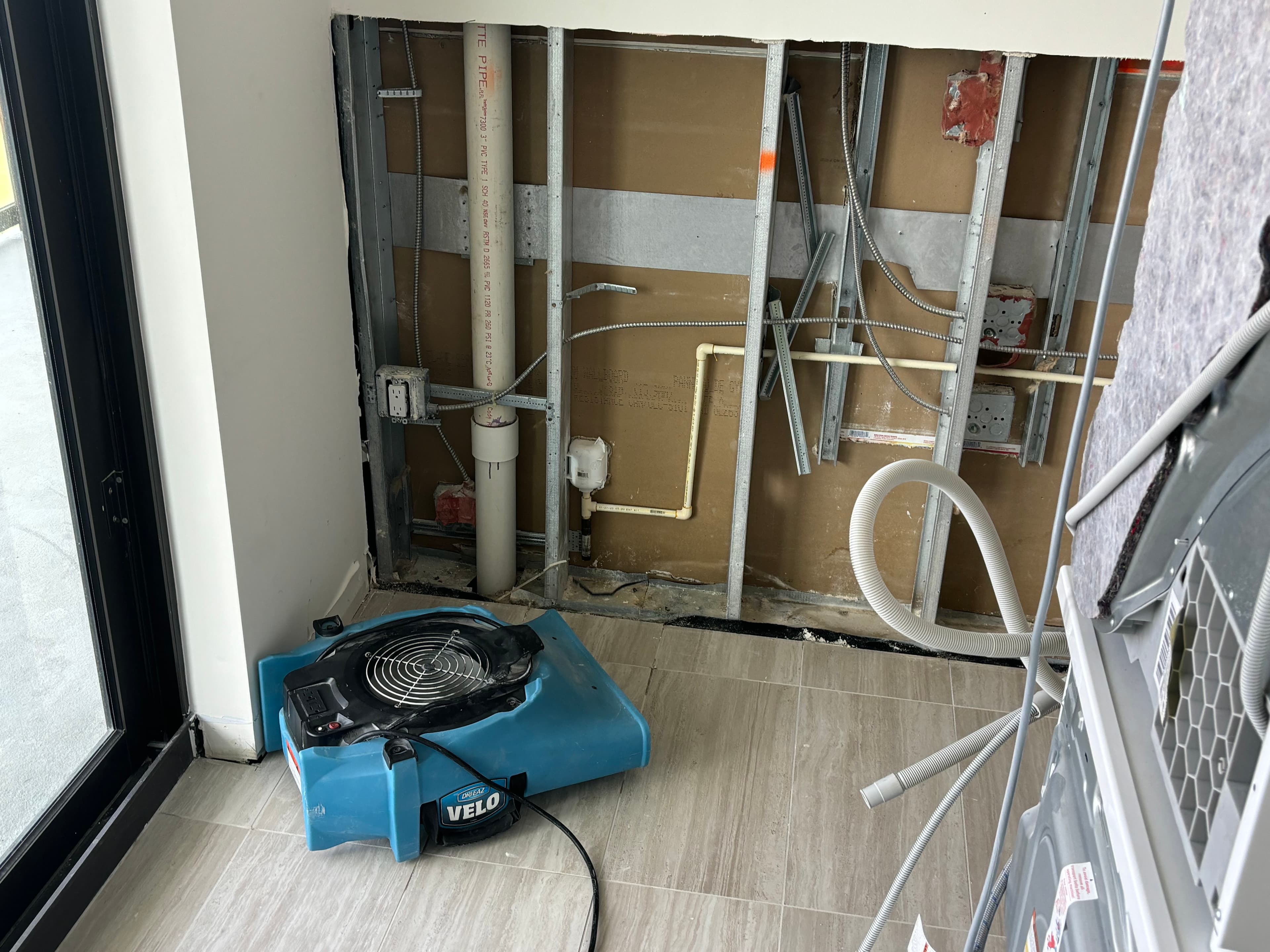
- ›Removal of damaged drywall, flooring, and wet building materials
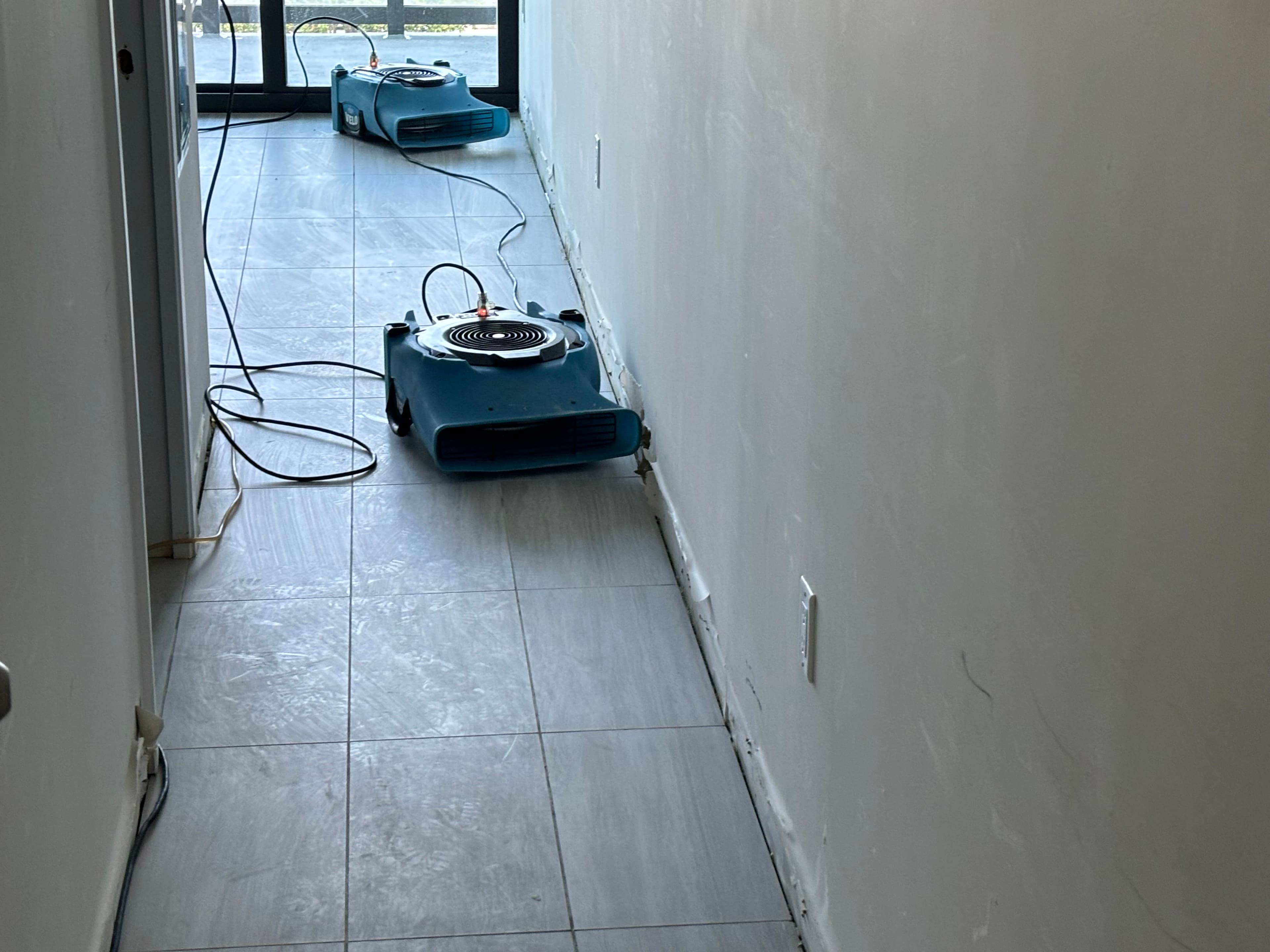
- ›Industrial dehumidification and structural drying
- ›Daily moisture mapping and progress documentation
- ›Coordination with building management, co-op boards, or condo association as needed
- ›Direct insurance claim documentation submitted to your carrier
Why New York Water Damage Is Different
New York buildings present water damage challenges that don't exist in other markets. The city's pre-war building stock — including brownstones, walk-up apartments, tenement-style buildings, and pre-war elevator buildings — uses original cast iron and galvanized riser pipes that are 80 to 120 years old. When these pipes fail, they don't fail gracefully. A single riser break can affect every unit on that vertical line, sometimes flooding 8 to 10 apartments before the water main is shut down. Drying these buildings requires understanding the difference between modern drywall, which dries predictably, and old plaster-and-lath, which holds moisture for weeks longer and grows mold beneath the surface.
Winter water damage is its own category in New York. When temperatures drop below 20°F, unheated apartments — often vacant rentals or units with thermostats set too low — see pipe bursts at predictable rates. Ice dams on flat roofs in Brooklyn and Queens push water under shingles and through ceilings on the top floor. Steam radiator lines that haven't been bled in years develop pinhole leaks that release pressurized water for hours before anyone notices. We've responded to frozen pipe calls during every major winter freeze event, and the same protocols repeat: extract, dry aggressively, document moisture levels for the insurance carrier, and never assume a wall is dry until the meter confirms it.
The insurance and approval side is also different here. Co-op boards often require their preferred contractors and detailed scope-of-work approval before reconstruction can begin. Condo associations typically need building management coordination for any work in common-area walls or ceilings. Tenants in rent-stabilized buildings have additional protections during restoration work that owners need to navigate carefully. We work directly with building management, co-op boards, and condo associations across the five boroughs, and we document everything to insurance-carrier standards from day one.


Frequently Asked Questions
How fast do you respond in New York?
Average response time across the five boroughs is under 60 minutes for emergency calls, with same-day arrival guaranteed. Manhattan and Brooklyn typically see fastest response. Outer borough response depends on traffic and time of day.
Do you work with co-op boards and condo associations?
Yes. We coordinate directly with building management, board members, and managing agents. We've worked with major NYC management companies and understand co-op approval workflows. We provide the documentation boards typically require — scope of work, insurance certificates, licensed contractor proof, and certificate of liability.
What about frozen pipe damage during winter?
Winter pipe bursts are a major part of our NYC work. We respond 24/7 during freeze events, can coordinate with plumbers for the source repair, and handle the water damage cleanup, drying, and rebuild. If you have a pipe burst, shut off the building's main water valve immediately, then call us.
Will my building's insurance cover the damage?
Most NYC building policies cover sudden and accidental water damage. Co-op shareholders and condo unit owners typically have their own HO-6 policies covering interior damage and improvements. We document everything to standards your carrier requires and can speak directly with adjusters. We do not use Assignment of Benefits contracts.
Serving New York City from Manhattan through Brooklyn, Queens, The Bronx, and Staten Island — including Manhattan, Brooklyn, Queens, The Bronx, Staten Island, and surrounding communities.
See full Service Areas →Need Help Now?
24/7 emergency response across NYC Metro.
Call (917) 288-9730Request Help