
Storm & Winter Damage Repair in New York
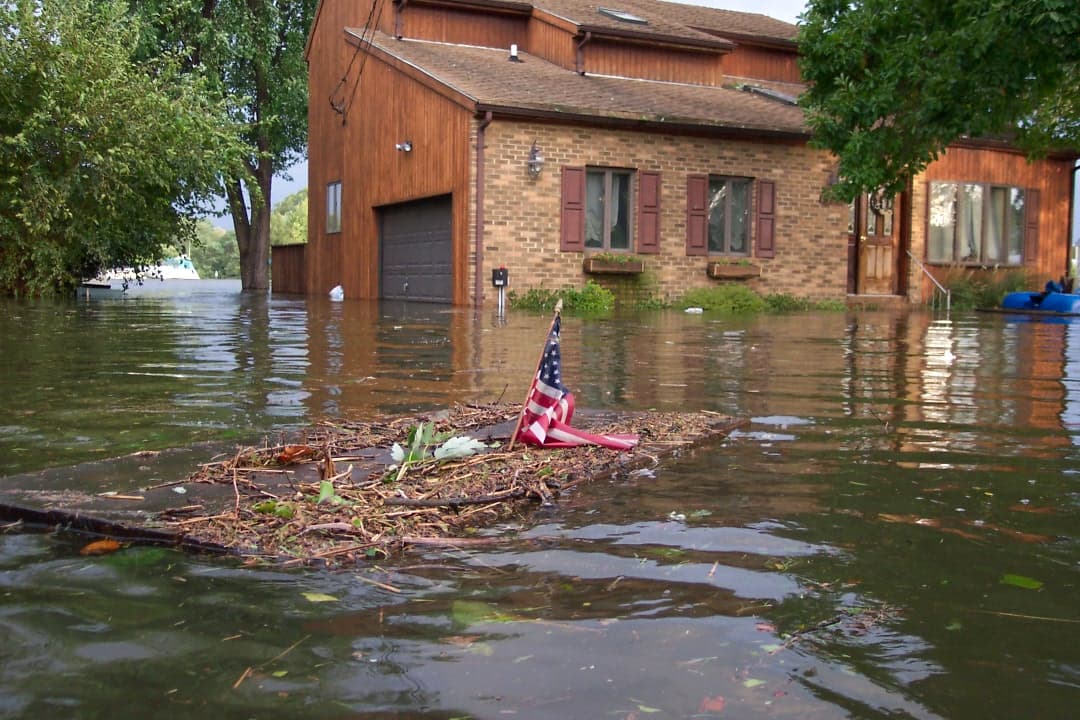
New York doesn't get hurricanes often, but when one does hit — Hurricane Sandy in 2012, Hurricane Ida in 2021 — the damage is severe and widespread. Far more frequent are nor'easters, winter blizzards, summer thunderstorms, and the cumulative damage from freeze-thaw cycles that hit NYC buildings every winter. Mitigation Restoration Services responds across all five boroughs to storm damage of every type — emergency tarping after wind damage, water extraction after basement flooding, frozen pipe repair, ice dam mitigation, and full reconstruction.

Common Storm Damage in NYC
- ›Nor'easter wind damage to roofs, siding, and windows
- ›Winter blizzards and ice dams pushing water under shingles
- ›Frozen pipe bursts during deep cold snaps (December-February)
- ›Hurricane-force winds and tropical storm flooding (rare but severe)
- ›Summer thunderstorm wind, hail, and lightning damage
- ›Basement flooding during heavy rain events that overwhelm sewers
- ›Tree damage in outer boroughs (Queens, Staten Island, Bronx) where mature trees are common
- ›Storm surge in coastal areas of Brooklyn, Queens, and Staten Island
Our Storm Response Process
- ›Emergency response and immediate damage assessment
- ›Roof tarping and emergency board-up of broken windows and doors
- ›Water extraction and drying for flood and rain intrusion
- ›Frozen pipe damage cleanup, drying, and coordination with plumbers
- ›Tree and debris removal coordination
- ›Insurance documentation including photos, moisture readings, and detailed scope
- ›Full structural repair and reconstruction
Why New York Storm Damage Is Different
Winter is the dominant storm threat in New York, and it works completely differently than hurricane-driven storm damage in southern markets. When a major freeze hits — temperatures below 15°F for 24+ hours — pipe bursts cluster across the city in the same predictable buildings. Vacant rentals with thermostats turned down. Walk-up apartments with poorly insulated exterior walls. Pre-war buildings with original riser pipes and steam radiator lines. We see the pattern repeat every winter: the freeze peaks, calls flood in over 48-72 hours, and the same building types appear over and over. Knowing where the damage will happen lets us pre-position equipment and respond faster when calls come in.
Ice dams are NYC-specific damage that homeowners in warmer climates never face. When snow accumulates on a roof and inadequate attic insulation lets warm air rise through the ceiling, snow melts at the roof surface, runs down to the eaves, and refreezes — building a dam of ice that traps water against the roof. The trapped water finds gaps in shingles or flashing and pushes into the building, causing ceiling damage, wall damage, and insulation saturation that often goes undetected until spring. We respond to ice dam damage all winter and into early spring as the dams release and the hidden damage emerges.
Hurricane Sandy in 2012 still defines storm response in NYC, especially in coastal Brooklyn, Queens, and Staten Island. Many neighborhoods that flooded in Sandy will flood again in any major surge event — the FEMA flood maps are accurate, and properties in those zones face recurring exposure. Hurricane Ida in 2021 caused a different kind of damage: torrential rain overwhelming the combined sewer system, sending water up through basement drains and flooding below-grade spaces across the city. The two events represent the two storm threats NYC faces — coastal surge in flood zones, and rainfall flooding everywhere — and we respond to both with the same urgency.


Frequently Asked Questions
When should I tarp my roof after storm damage?
Within 24-48 hours, before the next weather event. We provide emergency tarping 24/7 and document the damage for insurance purposes before tarping covers the evidence.
What about frozen pipe bursts during winter?
Frozen pipe damage is a major part of our winter work. Shut off the building's main water valve immediately, then call us. We respond 24/7, coordinate with plumbers for source repair, and handle all water damage cleanup, drying, and rebuild.
Is wind damage covered separately from flood damage?
Yes — wind damage is covered under standard homeowner and building policies, but flood damage typically requires separate flood insurance through NFIP or private flood policies. We document the cause of damage clearly so the right policy responds. Properties in FEMA flood zones in Brooklyn, Queens, and Staten Island should carry flood coverage.
How fast can you respond during a major storm?
During major storms, response time may extend to 4-8 hours due to volume and travel conditions. We prioritize life-safety and active water intrusion calls first. Emergency tarping is typically same-day even during peak demand.
Serving New York City from Manhattan through Brooklyn, Queens, The Bronx, and Staten Island — including Manhattan, Brooklyn, Queens, The Bronx, Staten Island, and surrounding communities.
See full Service Areas →Need Help Now?
24/7 emergency response across NYC Metro.
Call (917) 288-9730Request Help